
Attachment Therapy in Toronto
The ways we learned to protect ourselves don't always serve us forever.
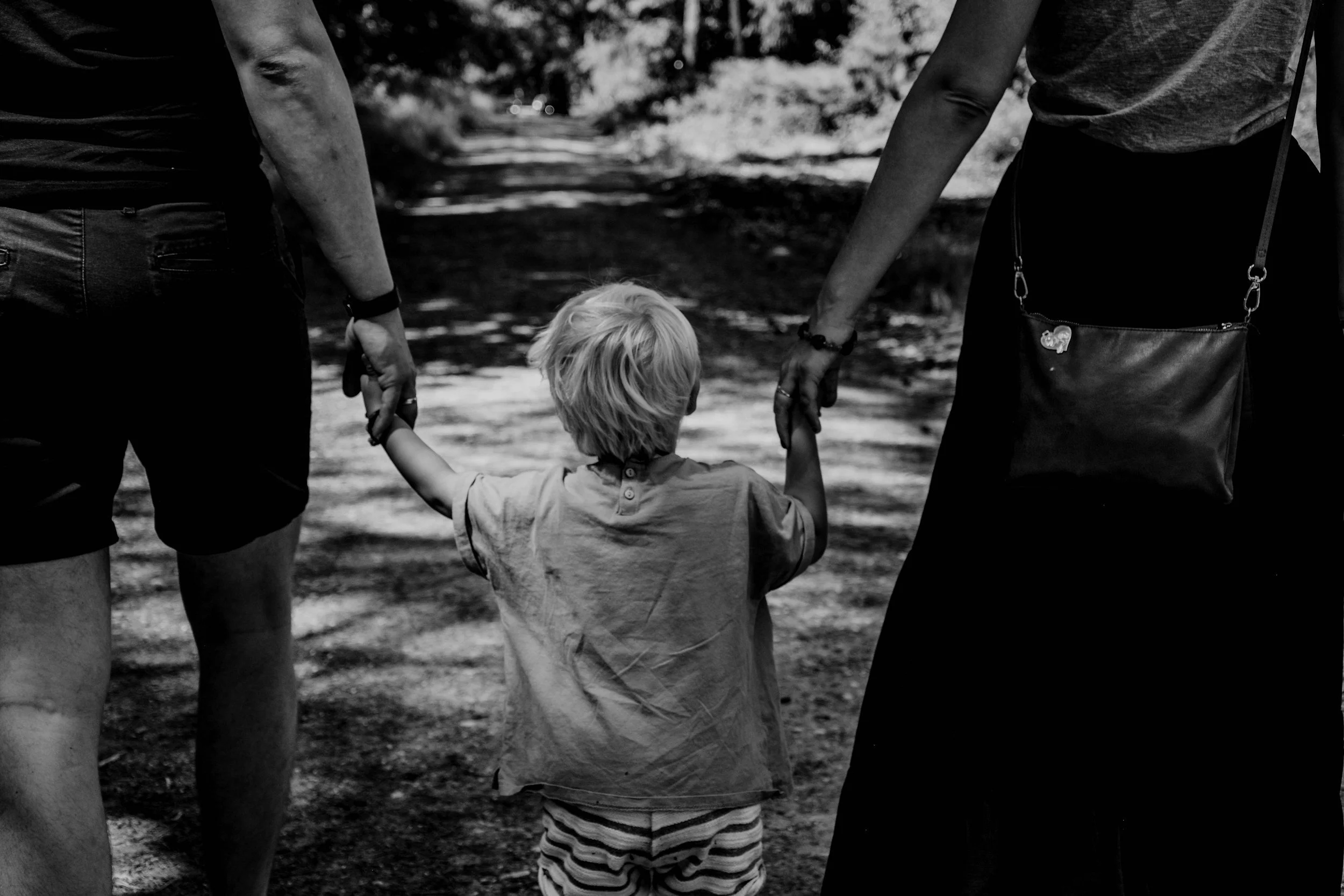
The ways we relate to ourselves and others don't develop in isolation.
From our earliest relationships, we begin learning what to expect from the people around us, what it takes to feel loved, how safe it is to rely on others, and what we need to do to protect ourselves when connection feels uncertain.
These experiences shape what we call attachment.
Over time, the strategies that once helped us navigate relationships can begin to leave us feeling stuck. Maybe you find yourself overthinking every interaction, pulling away when people get too close, struggling to trust others, or wondering why the same relationship patterns keep repeating.
These patterns aren't signs that something is wrong with you.
More often, they're signs that your mind and body learned ways to protect you that made sense at one point in your life.
The good news is that patterns can change.
You might be here because…
You overthink relationships or constantly wonder where you stand with others.
You fear being abandoned, rejected, or "too much."
You struggle to trust others, even when you want to.
You find yourself choosing emotionally unavailable partners.
You pull away when relationships start becoming more vulnerable.
You have difficulty setting or maintaining healthy boundaries.
The same relationship patterns seem to repeat, despite your best efforts to change them.
Many of these patterns are so familiar that they can feel like part of your personality.
Therapy offers an opportunity to understand where they came from - and whether they're still serving you.
You want deeper, healthier, and more secure relationships.
My Approach
Attachment therapy isn't about putting you into a category or giving you a label.
It's about understanding the experiences that shaped the ways you've learned to connect, protect yourself, and navigate relationships.
My work is grounded in attachment theory, Emotionally Focused Therapy (EFT), and relational psychotherapy. Together, we'll become curious about the patterns that show up in your life - not to judge them or get rid of them, but to understand them.
Rather than asking, "What's wrong with me?" we'll begin asking different questions:
Where did this pattern come from?
What has it been trying to protect me from?
How has it helped me survive?
Does it still serve me today?
When we begin making sense of our patterns, we create the possibility for something different.
Therapy isn't about becoming someone new.
Imagine what it would be like to have the flexibility to respond in ways that feel more aligned with who you are today, rather than who you had to be in order to feel safe.
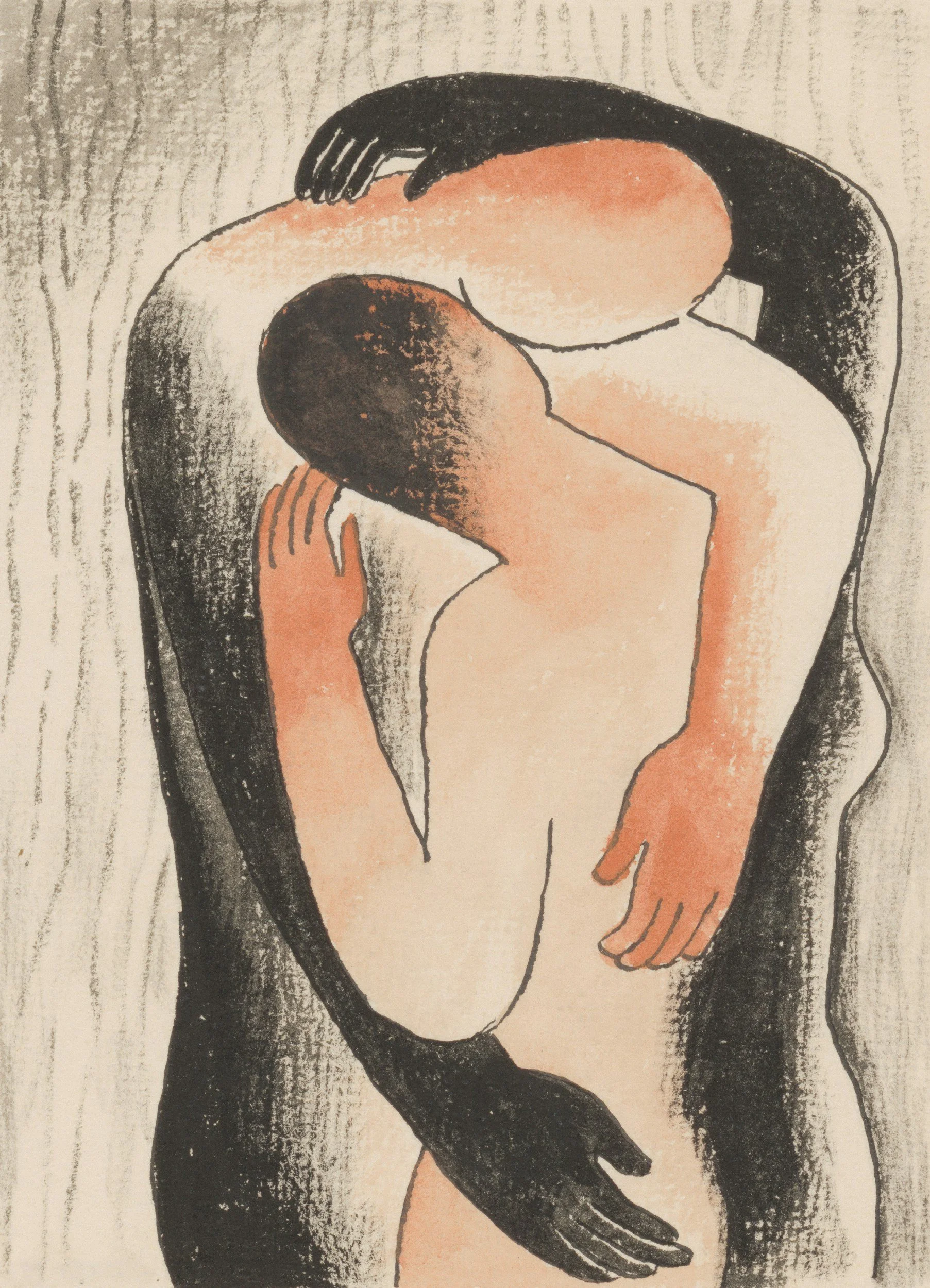
Some of the things we might explore together…

Every person's experiences and relationships are unique, which means there's no one-size-fits-all approach. Together, we'll focus on the patterns that feel most important to you, which may include:
Relationship anxiety
Fear of abandonment or rejection
Trust and emotional safety
Emotional vulnerability
People-pleasing and difficulty setting boundaries
Choosing emotionally unavailable partners
Conflict and communication patterns
Childhood experiences and family dynamics
Self-worth and identity
Developing more secure relationships
What Changes?

Healing isn't about erasing your past.
But it is about understanding it well enough that it no longer has to make your decisions for you.
Over time, many people notice they begin to:
Feel more secure in their relationships.
Better understand why certain situations trigger strong emotional reactions.
Express their needs with greater confidence and clarity.
Set healthier boundaries without overwhelming guilt.
Feel safer with vulnerability and emotional closeness.
Develop greater self-compassion and trust in themselves.
Build relationships that feel more secure, connected, and fulfilling.
The goal isn't to become someone who never struggles. That’s not realistic.
The goal is to develop relationships - including the one you have with yourself - that feel more grounded, secure, and authentic.
Ready to begin?
The ways you've learned to protect yourself made sense for a reason.
Therapy offers an opportunity to understand those patterns with compassion, discover what no longer serves you, and begin building relationships that feel safer, more connected, and more authentic.
If you're curious about whether we'd be a good fit, I invite you to book a free 15-minute consultation. We'll talk about what's bringing you in, answer any questions you have, and decide together whether working together feels like the right next step.
-
Attachment therapy explores how your early relationships and life experiences continue to influence the way you relate to yourself and others today. By understanding these patterns, therapy can help you build healthier, more secure relationships.
-
Not at all. While some people find attachment styles helpful, therapy isn't about fitting you into a category. It's about understanding your unique experiences, relationships, and patterns.
-
Yes. Although our early experiences shape us, they don't define us forever. Through new experiences, increased awareness, and safe relationships, we can develop more secure ways of relating to ourselves and others.
-
No. Attachment influences many areas of our lives, including friendships, family relationships, parenting, self-esteem, emotional regulation, and the relationship we have with ourselves.
-
If you find yourself repeating the same relationship patterns, struggling with trust or vulnerability, feeling anxious in relationships, or wanting to better understand yourself, attachment therapy may be a good fit.